Structured Cabling Project Guide
Fluke Channel Test vs Permanent Link Test: Differences for Buyers
Compare Fluke channel and permanent link testing for B2B cabling projects, with an approved WONNY Cat6 UTP sample PASS report.
Published 2026-07-27
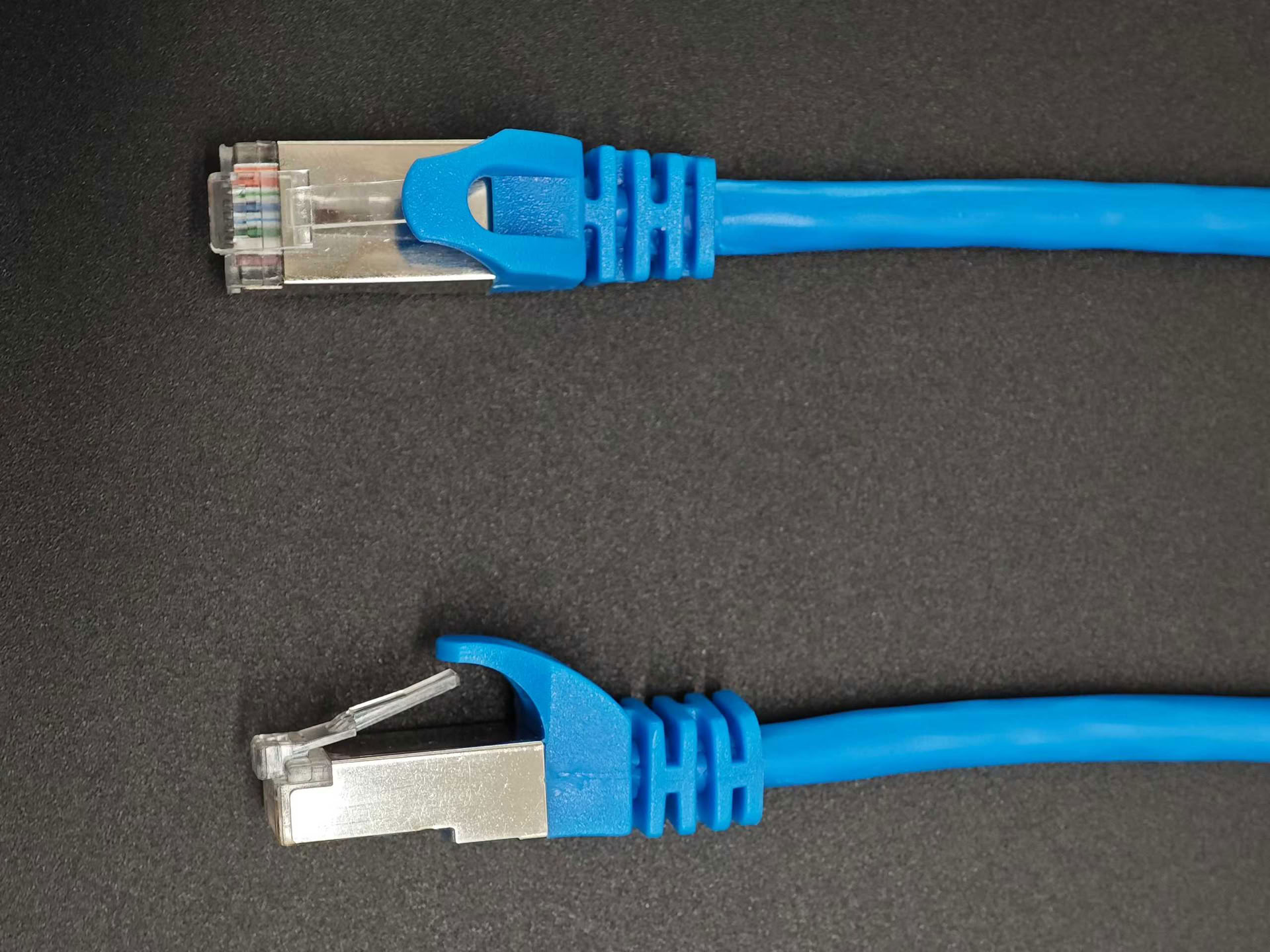
When a commercial cabling project asks for a PASS report, the words Fluke channel test vs permanent link test cannot be treated as interchangeable. They describe different test boundaries, and a result only answers the question defined by the selected test model. For contractors, system integrators, and distributors, identifying that boundary before procurement helps prevent a technically valid report from being rejected because it does not match the project specification.
What a Fluke Channel Test Covers
A channel test evaluates an end-to-end cabling configuration, including the fixed installed cabling and the patch or equipment cords that are present during the test. In a typical LAN, that can include the horizontal cable, connecting hardware, patch-panel connection, work-area connection, and the cords used at the two ends.
The important limitation is scope: a channel PASS applies to the configuration that was actually tested. If a cord is replaced, moved, or omitted, the original result does not automatically describe the changed channel. A channel report is therefore useful when the project needs evidence for a defined end-to-end setup, but it should not be presented as proof for every future combination of cable and cords.
A channel test also evaluates the combined channel. It does not separately establish that each cable, plug, jack, or patch cord meets a standalone component standard. Buyers should distinguish end-to-end test evidence from individual component certification.
What a Permanent Link Test Covers
A permanent link test focuses on the fixed part of the installed cabling. It normally covers the horizontal cable and the installed connecting hardware between the telecommunications area and the work-area outlet, while excluding the user patch cords and equipment cords at the ends. Dedicated permanent-link adapters are used so the test measures the installed link rather than ordinary patch cords.
This boundary makes permanent link testing especially relevant to installation acceptance. It allows a contractor to document the fixed infrastructure before end users begin changing cords or connecting equipment. It also helps separate installation and termination issues from problems introduced later by replaceable cords.
Fluke Networks describes the permanent link as the fixed foundation of the channel and explains the different roles of the two test models in its channel and permanent link guidance. Project teams should still follow the test model, category, and limit written into their own contract or acceptance specification.
Channel Test vs Permanent Link Test
| Procurement question | Channel test | Permanent link test |
|---|---|---|
| What is evaluated? | The tested end-to-end channel, including the cords present during the test | The fixed installed cabling and connecting hardware |
| Are user and equipment cords included? | Yes, when they are part of the tested configuration | No |
| What does the result apply to? | The specific channel configuration recorded in the report | The fixed installed link recorded in the report |
| Typical project purpose | Confirm a defined end-to-end configuration | Accept the installed fixed cabling |
| Can one result replace the other? | No; the required boundary must be specified | No; the required boundary must be specified |
The table is a selection guide, not a substitute for the applicable project standard. The Telecommunications Industry Association publishes standards information, while the project designer or consultant normally defines which test limit and acceptance documents are required.
Which Test Should a Project Buyer Specify?
Start with the deliverable, not the tester brand. If the contract is accepting fixed horizontal cabling installed on site, a permanent link result may be the relevant evidence. If the contract needs to validate a final end-to-end arrangement with specified cords, a channel result may be relevant. Some projects can require both at different stages, but that requirement should be written explicitly rather than assumed.
Before issuing a purchase order, confirm the cable category, link model, applicable test limit, length or topology, tester requirements, sample size, report format, and party responsible for field testing. The word "Fluke" identifies the test equipment family; it should not be used as a substitute for the actual test limit or as a third-party certification claim.
What WONNY's Public Report Actually Shows
WONNY is the export brand of Guangzhou SIPU Communication Equipment Company Ltd. All WONNY network cables are required to pass Fluke testing before project supply. Public claims are limited to approved evidence records, and order-specific reports require separate verification and approval.
The approved WONNY Cat6 UTP sample Fluke report records a PASS for a 315 ft configuration at 250 MHz. The tester is a Fluke Networks DTX-1800, and the selected limit is TIA Cat 6 Channel Limits. This is channel evidence for the tested sample and conditions; it is not a permanent link report and should not be extended to a different configuration.
Buyers reviewing WONNY network cables can use the sample to understand the format and scope of the available public evidence. For a live project, the required report scope should be confirmed before supply so the test model matches the acceptance document.
Procurement Checklist
- State whether the required result is Channel, Permanent Link, or another defined link model.
- Name the cable category and the exact test limit required by the project.
- Define which cords and connecting hardware are inside the test boundary.
- Confirm whether testing is for a sample, an installed link, or another agreed scope.
- Require the report to identify the tester, limit, date, length, result, and tested configuration.
- Treat a PASS as evidence for the recorded scope only.
- Verify order-specific report availability separately instead of assuming it is included.
A precise test requirement protects both buyer and supplier. It lets procurement compare like with like, gives the installer a clear acceptance target, and keeps the resulting evidence tied to the configuration it actually represents.