Structured Cabling Project Guide
Structured Cabling Solution for Data Centers: Design and Procurement Guide
Plan a data center structured cabling solution with a practical design-input, BOM, testing, rack, patching, and procurement checklist.
Published 2026-08-16
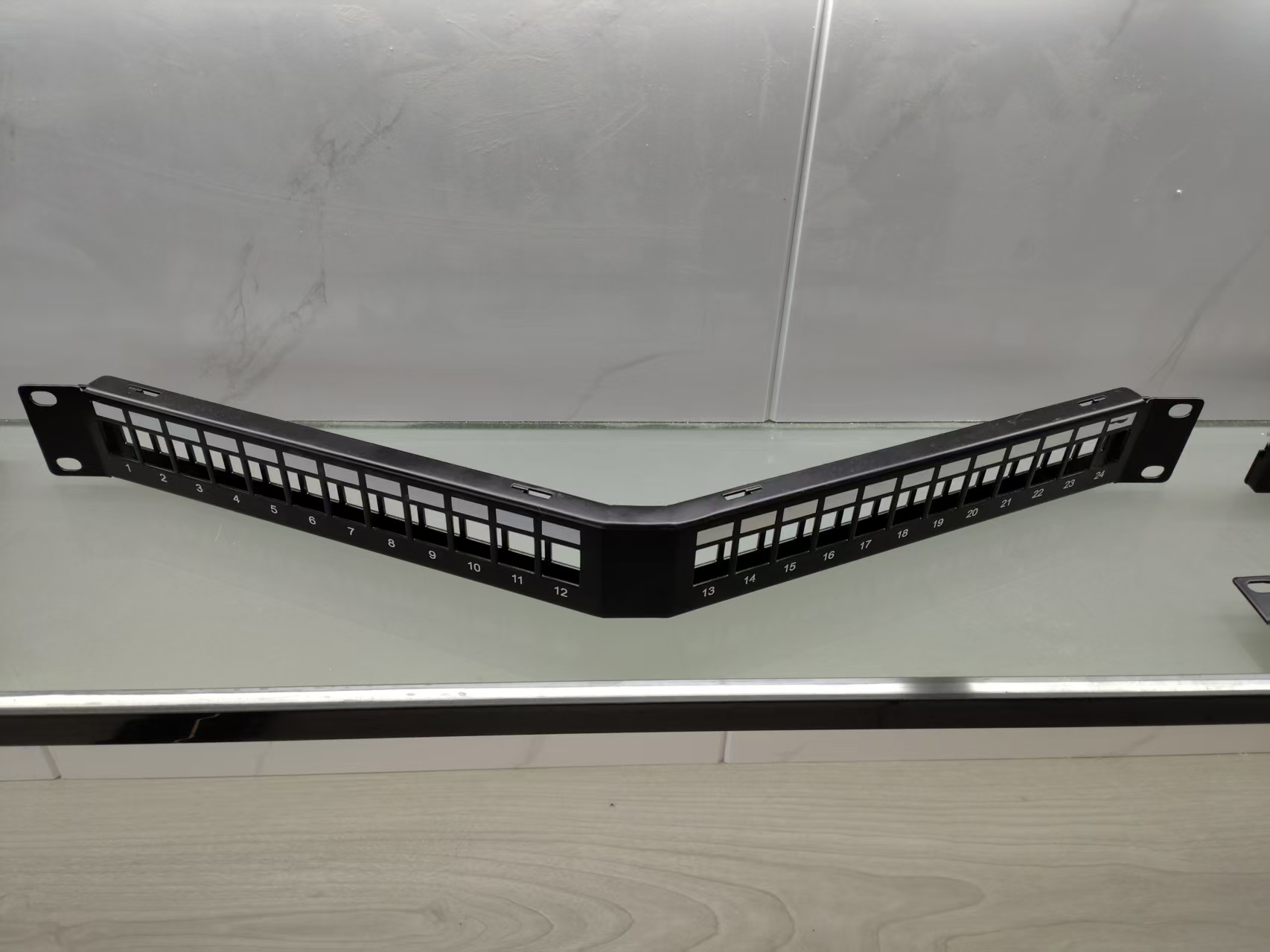
A structured cabling solution for data centers should begin with a connection schedule and acceptance plan, not with a generic product list. Project teams need to define where links start and end, which interfaces and pathways are involved, how racks will be patched, and what evidence will be accepted before assigning quantities or selecting cable models. For contractors, system integrators, distributors, and procurement teams, this approach produces a bill of materials that can be quoted, checked, installed, and handed over without relying on assumptions.
WONNY is the export brand of Guangzhou SIPU Communication Equipment Company Ltd. WONNY provides engineering-grade structured cabling systems and Fluke-tested network cable products for global contractors, system integrators, and distributors. The sections below explain how to turn a data center requirement into a procurement package while keeping every product and test claim tied to an approved model or evidence record.
1. Define the Project Inputs Before Selecting Products
A data center cabling request is incomplete if it states only a category and a quantity of boxes. The buyer should first provide the physical and operational inputs that determine the system boundary. A useful design-input sheet includes the following items.
| Design input | What the project team should define | Why procurement needs it |
|---|---|---|
| Rooms and racks | Rack locations, rack identifiers, cabinet type, and available mounting space | Establishes where patching and cable management will be installed |
| Connection schedule | Source, destination, interface, and quantity for every planned link group | Converts the network design into countable links |
| Pathways | Route, pathway restrictions, separation requirements, and permitted cable construction | Prevents a cable selection that does not fit the approved installation method |
| Copper and fiber boundary | Which links use copper and which use a separately specified fiber backbone | Prevents the copper BOM from being treated as the entire network scope |
| Patching method | Patch-panel layout, port identification, patch-cord requirements, and spare-port policy | Defines the rack-side connectivity and administration method |
| Testing | Link model, category, limit, sample or installed-link scope, and report responsibility | Makes the acceptance evidence measurable |
| Documentation | Labels, port schedule, product records, test records, and handover format | Gives installation and operations teams the same reference |
Do not use this table as a substitute for the consultant's or client's design. It is an input checklist that exposes missing decisions before a quotation is finalized. If the project has separate phases, issue a revision-controlled schedule so additions and deletions can be traced to the BOM.
2. Separate Backbone, Horizontal, and Equipment-Connection Scope
Data center projects often combine several connection types. The procurement package should state which links are part of the backbone, which are fixed copper runs, and which are replaceable equipment or patching connections. If a fiber backbone is included, record it as a separate scope with its own approved specification rather than assuming the copper product list covers it.
For the copper portion, define the fixed cable route, termination points, patch-panel position, equipment-side or work-area connection, and patch cords. This makes it possible to determine whether a requested item belongs to the permanent installed infrastructure, the patching field, or an equipment connection. It also prevents a patch cord, jack, or panel from being omitted simply because the bulk cable quantity was calculated first.
The complete structured cabling supply page shows the verified WONNY product-family scope that can be considered when assembling the copper portion of a project package. A final quotation must still identify the exact models and quantities selected for the approved design.
3. Build a Complete Copper Cabling Bill of Materials
A quotation-ready BOM should organize components by function. The following groups help a buyer check that the cable path and patching field are complete.
- Bulk network cable: identify the exact category, construction, jacket requirement, packaging requirement, planned quantity, and approved model.
- Patch panels: record rack location, port count, loaded or unloaded arrangement, shielding requirement, and quantity.
- Keystone jacks or modules: match the approved category and shielding design, then identify where each module is installed.
- Patch cords: state category, construction, connector type, required length, color or labeling rule when applicable, and quantity by rack or connection group.
- Faceplates and outlets: include them only where the design requires a wall or service-area termination outside the rack environment.
- Racks or cabinets: define the required format, available rack units, access, mounting, and project-approved environmental or security requirements.
- Cable management and rack accessories: include horizontal or vertical management, mounting hardware, and rack power accessories where the approved rack design requires them.
The WONNY catalog covers Cat5e, Cat6, Cat6A, and Cat7 bulk network cable families. It also includes network patch cords, RJ45 modular plugs and connectors, keystone jacks and modules, patch panels, network faceplates, network and server cabinets, cable management, and rack power accessories. Buyers can review the current bulk network cables, network accessories, and network cabinets and rack accessories before mapping each BOM line to an exact model.
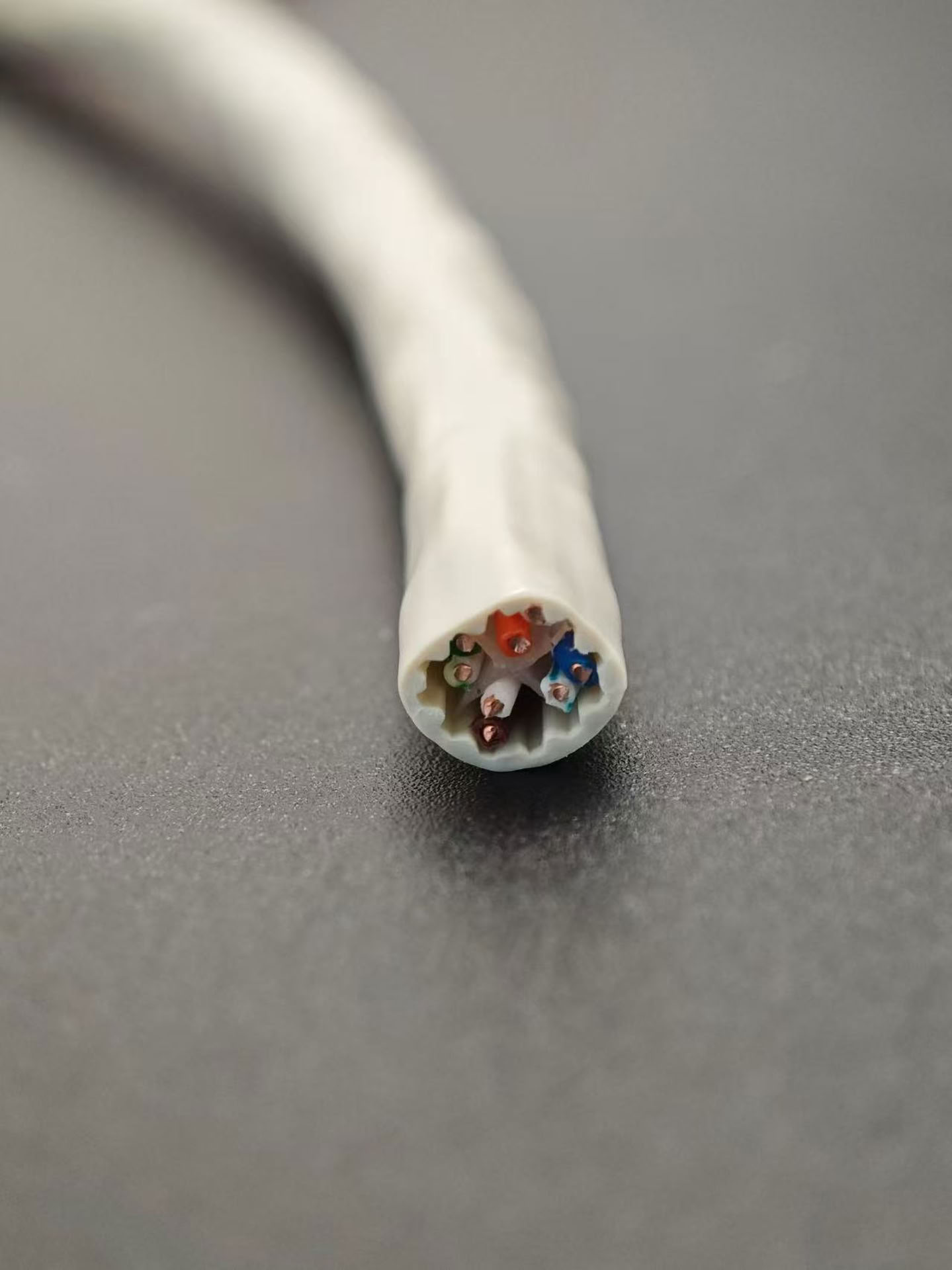
The image illustrates a four-pair cable construction from the owned WONNY/SIPU material set. It is product context only; the visible image does not establish a category, electrical performance, test result, or suitability for a specific data center design.
4. Match Cable Construction to the Approved Project Specification
The project designer should define the required category, shielding approach, jacket, pathway conditions, and acceptance criteria. Procurement should then choose a catalog model that matches those written requirements. The verified WONNY range includes U/UTP, F/UTP, and S/FTP constructions depending on the product model, and listed bulk network cables use LSZH outer jackets. Selected products use 305 m pull-box packaging where that specification appears in the catalog.
These range statements are not permission to substitute one construction for another. A buyer should keep the same model description across the design schedule, quotation, data sheet, approved sample, labels, purchase order, and receiving inspection. When a requirement is not present in the verified catalog record, it should be treated as a question for technical confirmation rather than added to the order by assumption.
Cable quantities should also be separated from link quantities. Link counts, planned routes, allowance policy, packaging units, and spare requirements are different inputs. The responsible project team should approve the calculation method before converting cable demand into boxes or reels.
5. Plan Racks, Patching, and Cable Management as One System
Patch panels, cabinets, patch cords, and cable managers should be designed together because they share the same rack space and administration workflow. For each rack, prepare a port schedule that identifies the panel position, port range, destination group, patch-cord requirement, cable-manager position, and spare capacity policy.
Before ordering a cabinet or rack, confirm the equipment dimensions, mounting format, available rack units, door and access arrangement, cable entry, grounding and bonding responsibilities, power-distribution scope, and site-specific ventilation or environmental requirements. WONNY offers cabinet and rack-accessory product families, but the project team remains responsible for confirming that the selected model fits the equipment and room design.
A clean rack elevation should be reflected in the BOM. If the elevation shows a patch panel and cable manager as a repeated pair, their quantities should reconcile with the schedule. If a panel is unloaded, the module quantities must also reconcile with the planned ports and agreed spare policy. This cross-check catches gaps that a single product list does not reveal.
6. Define Fluke Testing and Acceptance Evidence
A request for a `Fluke test` is not complete until the project defines what will be tested and which result is required. The purchase or installation documents should identify the link model, cable category, selected test limit, included connecting hardware and cords, tester and calibration requirements if specified by the project, report fields, tested quantity or sampling method, and the party responsible for field acceptance. The Fluke Networks knowledge base provides general information about testing equipment and methods, while TIA standards information can help project teams identify the relevant standards framework.
All WONNY network cables are required to pass Fluke testing before project supply. The approved wording is Fluke-tested or Fluke test passed. This describes product testing under stated conditions; it does not mean that WONNY or Guangzhou SIPU is certified or endorsed by Fluke Networks. The evidence boundaries are explained in the Fluke-tested network cable policy.
WONNY also publishes a public Cat6 UTP sample PASS report. The approved record states that a Cat6 sample configuration passed using a Fluke Networks DTX-1800 against TIA Cat 6 Channel Limits at 250 MHz over 315 ft on 2025-03-22. This sample report applies only to the tested configuration and conditions stated in the report. It does not prove the performance of every model, reel, production lot, installed link, or future order, and it is not a permanent-link report.
For a data center project, write the required testing and document scope into the order before supply. Do not assume that a public sample report, a channel report, or a product-family policy automatically matches the acceptance boundary chosen by the consultant or client.
7. Prepare a Quotation-Ready Procurement Package
A structured request for quotation reduces clarification cycles and makes supplier responses easier to compare. Send the following information as one controlled package.
- Project name, country, delivery destination, and responsible technical contact.
- Current rack layout, rack elevation, connection schedule, and revision number.
- Copper and fiber scope boundary, with fiber requirements documented separately when included.
- Exact cable category, construction, jacket, packaging, and model requirements.
- Patch-panel, module, patch-cord, faceplate, cabinet, cable-management, and rack-accessory quantities.
- Required labels, packaging marks, product records, sample approval, and receiving checks.
- Fluke test model, selected limit, tested scope, evidence format, and acceptance responsibility.
- Items that are mandatory, acceptable alternatives, and deviations requiring written approval.
The quotation should return the same structure: exact model against each BOM line, quantity, unit or packaging basis, included and excluded accessories, requested evidence, and open technical questions. This creates a usable comparison rather than a collection of product names.
For project review, send the approved design inputs and BOM through the WONNY contact channel. Guangzhou SIPU can map the verified WONNY structured cabling product range to the stated procurement scope, while unresolved design, test, or compliance requirements remain subject to project-specific confirmation.